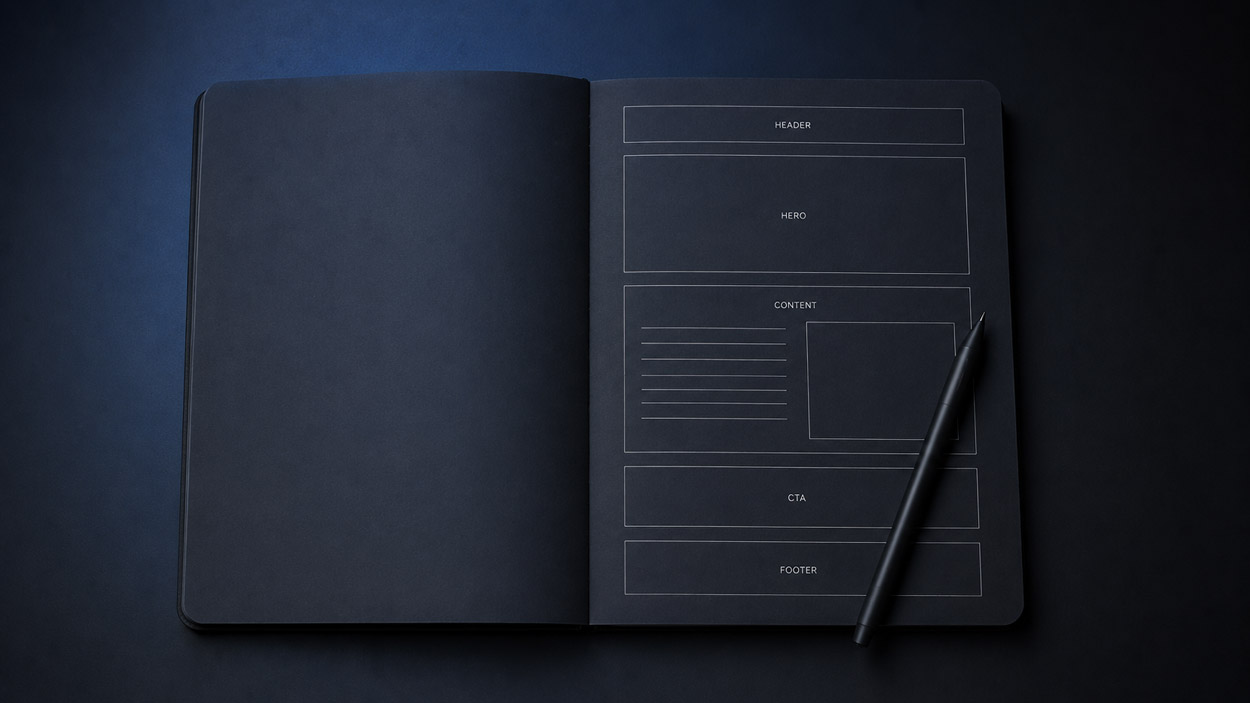
The impact of your website with UX Design


1. User understanding:
One of the first steps in UX Design is to understand the needs and expectations of users. Extensive research is done to identify the target audience's demographic profile, motivations, goals, and preferences. This understanding makes it possible to design a tailored user experience, with an emphasis on key elements that meet the specific needs of users.
2. Information architecture:
A good information architecture is essential to ensure smooth and intuitive navigation on your website. UX Design involves structuring and organizing information in a clear and logical way, using menus, categories, and internal links. A consistent visual hierarchy and well-thought-out navigation labels make it quick and easy for users to find what they're looking for.
3. Optimization of user journeys:
UX Design aims to optimize user journeys by minimizing obstacles and frictions. This means simplifying the steps required to complete an action, such as filling out a form or making a purchase. By removing superfluous elements and guiding users through the process, you create a smooth and enjoyable user experience, promoting user conversion and retention.

4. Use of visual design:
Visual design is an essential aspect of UX Design. It's about creating an appealing and cohesive aesthetic using elements like typography, colors, images, and icons. Choosing these elements wisely contributes to conveying your brand identity and creating a visual atmosphere that matches the image you want to project. A harmonious visual design reinforces the credibility of your website and engages users.
5. Tests and iterations:
UX Design involves an iterative process of continuous testing and improvement. It's important to gather user feedback, analyze usage data, and make adjustments accordingly. Usability testing helps identify potential issues and fix them before they impact the user experience. This user-centric approach ensures that your website evolves according to their needs and preferences.
UX Design plays a crucial role in creating an engaging and satisfying user experience on your website. By understanding user needs, optimizing navigation, simplifying user journeys, using consistent visual design, and conducting regular testing, you can maximize the impact of your website. Investing in UX Design results in increased conversion, retention, and user satisfaction, which ultimately contributes to the success of your online presence.
FAQ
What is UX Design and how does it concretely impact a website?
UX Design (User Experience Design) refers to the set of practices aimed at creating intuitive, enjoyable and effective digital interfaces for users. On a website, good UX design translates into clear navigation, a consistent visual hierarchy, fast load times and friction-free action paths. A well-designed site converts more, generates fewer drop-offs and creates a lasting impression of professionalism.
What's the difference between UX design and UI design?
UX design (User Experience) is about the overall experience of the user: the logic of navigation, the structure of information, user journeys and ease of use. UI design (User Interface) is about the visual appearance: colours, typography, icons, graphic components. The two are complementary and inseparable for a successful site: a beautifully designed but poorly structured interface frustrates users, while a well-structured but visually weak one undermines credibility.
How does UX design influence a site's SEO?
Google takes user behavioural signals into account when ranking pages: bounce rate, time on site, pages per session, and return to search results. Good UX design reduces bounce rate (visitors stay and explore), increases time on page and encourages deeper navigation, all of which are positive SEO signals. A clear information architecture also makes it easier for Google's bots to crawl and understand the site.
What are the key stages of a UX design process for a website?
A rigorous UX process generally includes: user research (defining personas, analysing needs), information architecture (structuring content and navigation), zoning (breaking pages into functional areas), wireframing (structural sketch), interactive prototyping in Figma, user testing, then final UI design and development. Each stage validates decisions before investing in the next.
Do you need a UX expert for a small brochure site, or only for large projects?
UX design adds value to all types of projects, even the simplest ones. On a small brochure site, UX thinking ensures that key information is accessible within a few seconds, the contact form is visible and easy to fill in, and mobile navigation is intuitive. These details often make the difference between a visitor who immediately leaves and a potential client who gets in touch.